Technology Learning Center
CBRA technology pages explain the radio, tower, antenna, power, computer, linking, portable, and emergency-communications systems that make a ham radio club useful to members and the community.
Start with the path that matches your interest
Each guide explains what the system does, why it matters, how the pieces fit together, and what members can safely learn, document, and improve.
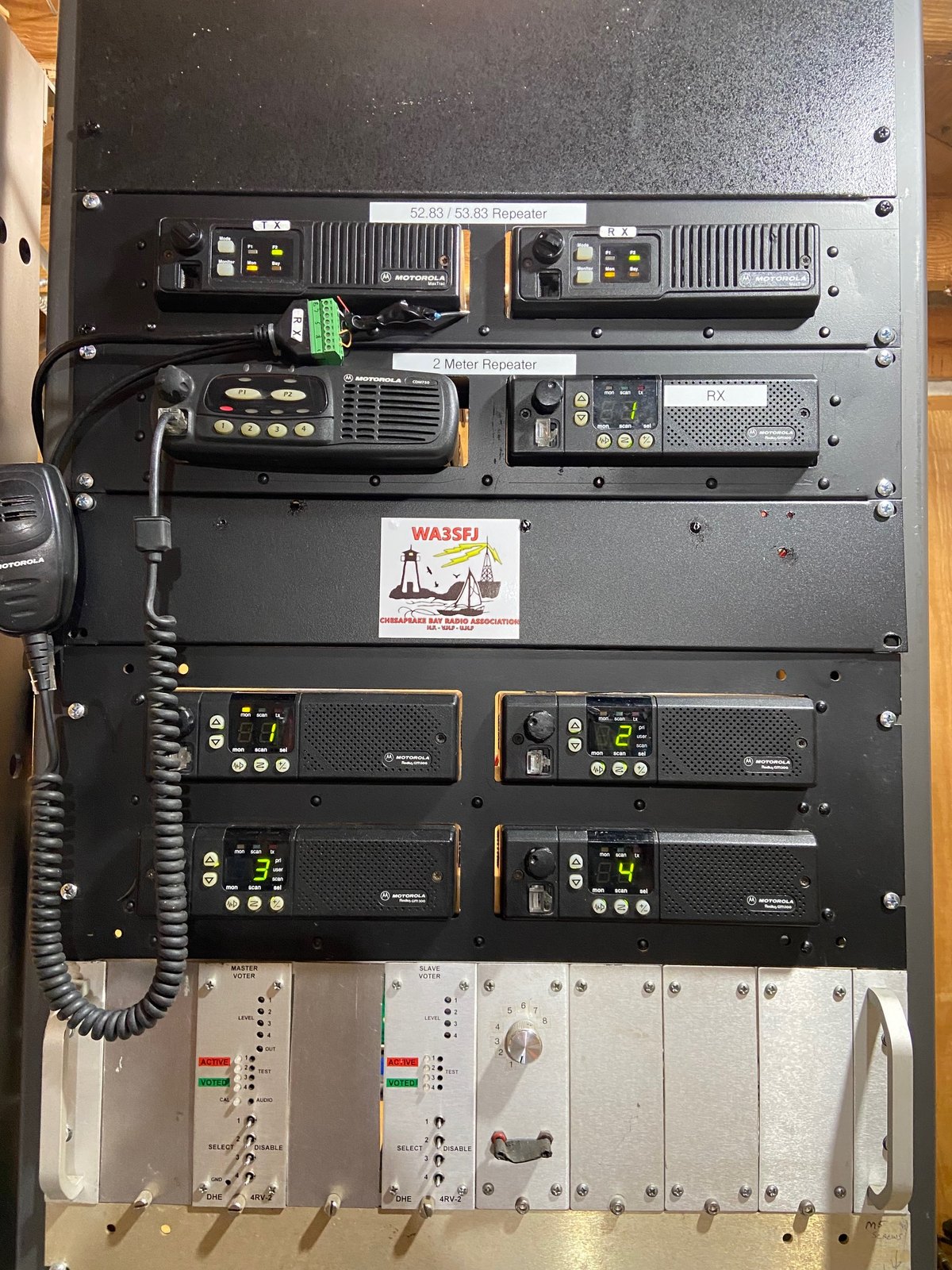
WA3SFJ Repeater System
How a repeater listens and transmits, what offset and tone mean, and how club repeater information should be programmed.
AllStar and EchoLink
How amateur-radio VoIP linking extends access while still requiring licensed operators and good radio procedure.
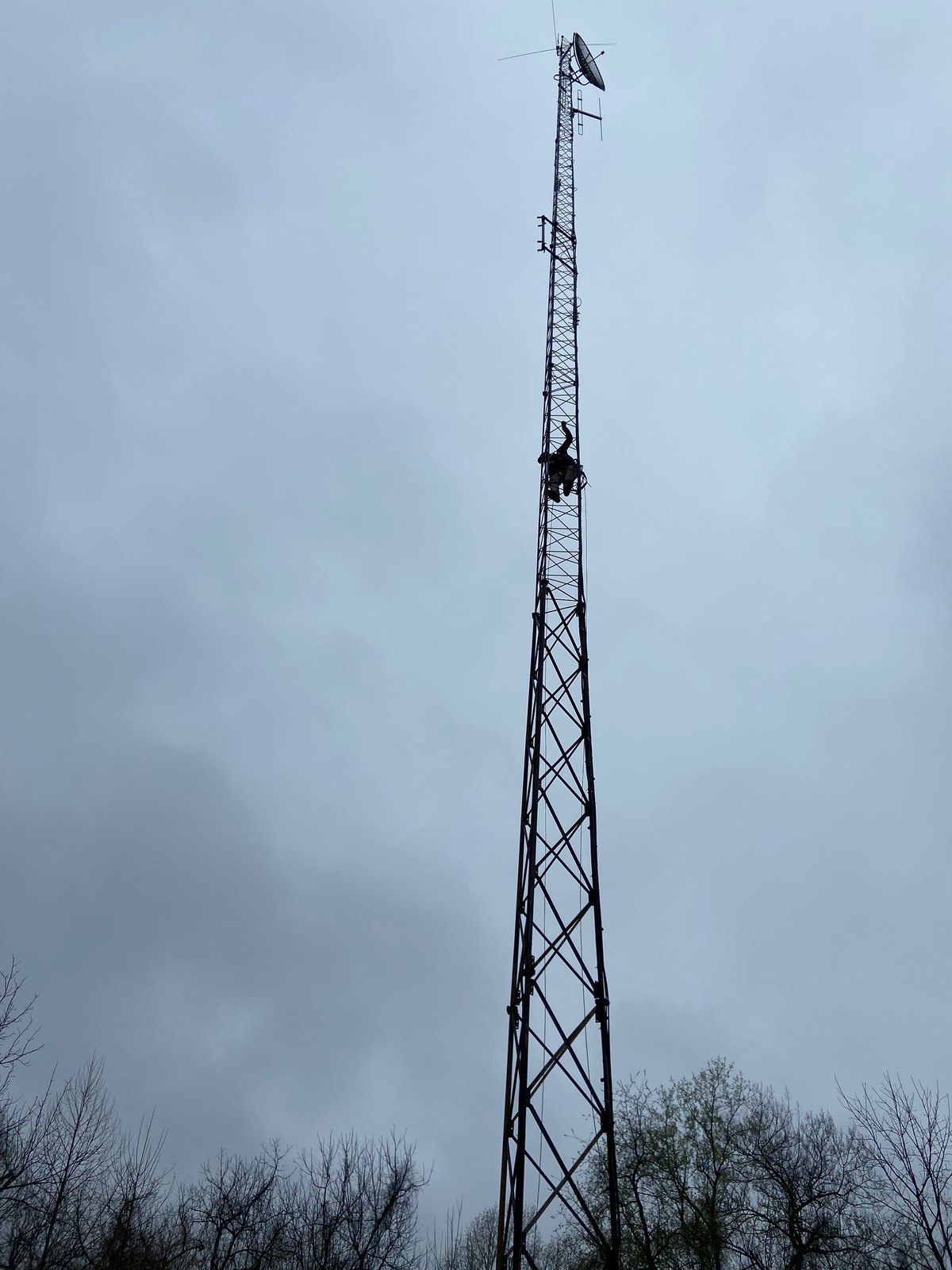
Tower Site and Infrastructure
What belongs at a repeater site: tower, shelter, rack, feedline, power, grounding, network, labels, and records.
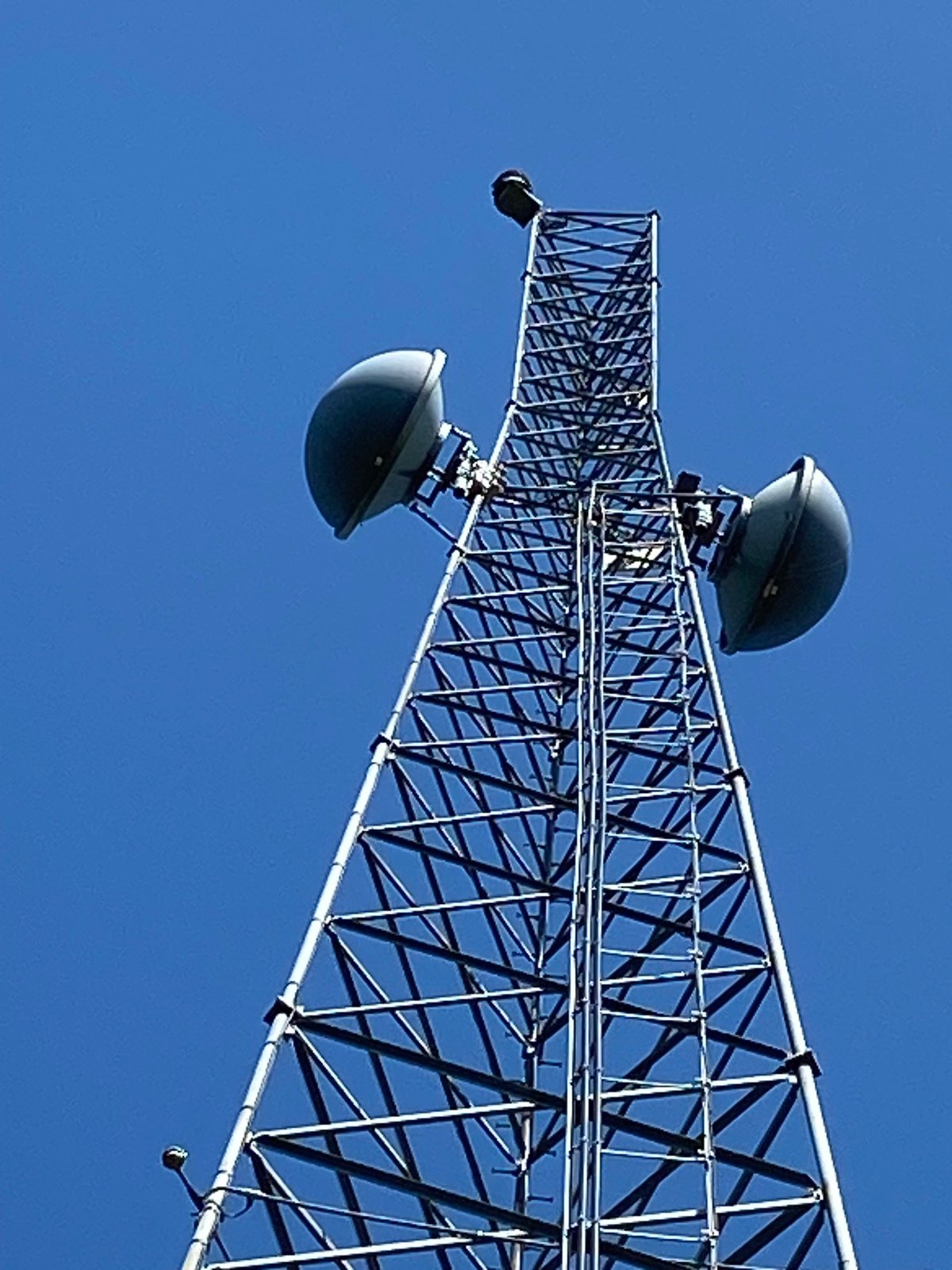
Antennas, Feedline, and Coverage
Why height, terrain, coax loss, water intrusion, connectors, noise, and receiver performance shape real-world coverage.
Repeater Power and Electricity
How utility power, batteries, chargers, surge protection, grounding, loads, and runtime estimates keep sites online.
Digital Radio and Data Modes
Sound-card interfaces, station computers, SDR, APRS, packet-style systems, Winlink concepts, and clean audio paths.
Portable Radio Technology
Field antennas, batteries, solar, go kits, logging, computers, safety, and repeatable station setup for events.
Mesh and Emergency Communications Technology
Local resilient data networks, node placement, power planning, services, and practical emergency communications use cases.
Build skills and preserve club knowledge
CBRA technology projects help members understand radio systems, develop practical skills, and keep equipment knowledge available to future volunteers.
Public guides cover operating concepts and system relationships. Detailed maintenance records, access information, and site procedures remain in protected club tools.
Learn before changing
Begin with documentation, measurements, and guidance from authorized technical volunteers before working on club equipment or infrastructure.
Authoritative learning sources
Learn more through trusted amateur-radio references and official service resources.
FCC Part 97
Amateur Radio Service rules, station responsibilities, and operating standards.
Choose a technology path
Start with the repeater quick start if you want to get on the air, or explore the tower, antenna, power, linked-radio, digital, and portable-radio guides to understand how the club systems fit together.